OpenAI AI Factory 2025 – Building the Future of Intelligence
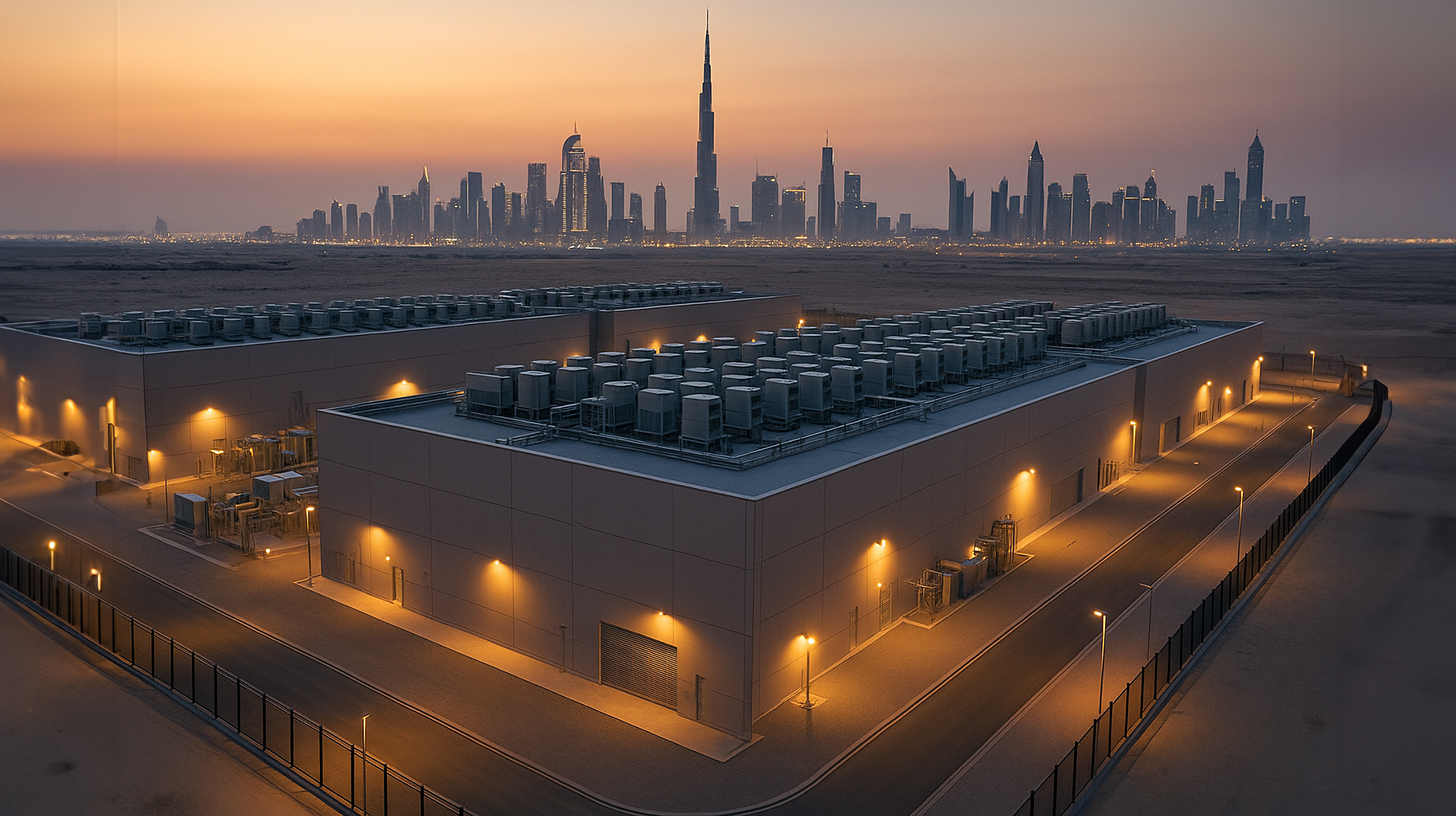
The OpenAI AI Factory 2025 project has been officially announced, marking one of the most ambitious infrastructure plans in the history of artificial intelligence. Designed to support the next generation of large-scale AI systems, the facility will focus on research, model training, and hardware innovation. Moreover, this “AI factory” aims to accelerate the creation of smarter, faster, and more sustainable models.
What Is the OpenAI AI Factory 2025?
A Super-Infrastructure for AI
The OpenAI AI Factory 2025 is envisioned as a global hub where cutting-edge computation meets scalable design. Moreover, it will bring together data centers, custom AI chips, and research divisions to streamline the production of advanced models like GPT-6 and beyond.
Strategic Purpose
OpenAI CEO Sam Altman described the project as “a manufacturing revolution for intelligence.” In addition, the AI Factory will reduce dependency on third-party hardware and make training cycles more efficient and energy-optimized.
OpenAI’s Partnership Network
Collaboration with Global Tech Leaders
Reports indicate OpenAI is partnering with Microsoft, NVIDIA, and major cloud providers to build this infrastructure. Moreover, NVIDIA’s latest H200 GPUs and Microsoft’s Azure architecture will play a key role in the project’s backbone.
Expanding AI Capacity
The OpenAI AI Factory 2025 will allow model training at scales previously impossible. In addition, OpenAI plans to make its infrastructure partially available to researchers and startups in the future, fostering innovation.
Why OpenAI Is Investing in Physical Infrastructure
Energy and Sustainability Goals
OpenAI is also focusing on reducing the environmental footprint of AI. Moreover, the new facility will use renewable energy and advanced cooling systems to minimize emissions.
“We want intelligence to be built sustainably — both in code and in carbon,” Altman said.
Data and Security
With global AI competition rising, the AI Factory 2025 strengthens data security and ownership, giving OpenAI more control over training and deployment pipelines.
The Bigger Picture – AI as an Industry
The OpenAI AI Factory 2025 signals a shift from software-only innovation to full-scale AI production. Moreover, analysts compare it to Tesla’s Gigafactory — but for artificial intelligence.
In addition, this marks OpenAI’s first step toward creating self-sufficient AI ecosystems capable of continuous learning and global deployment.
What It Means for the Future of AI
Acceleration of Model Development
With its new infrastructure, OpenAI can train larger models faster and with greater precision. Moreover, this move could shorten the timeline between new GPT releases from years to months.
Democratizing AI Access
By opening portions of its infrastructure to other developers, OpenAI aims to make AI development more accessible, reducing the gap between research institutions and startups.
Conclusion – The OpenAI AI Factory 2025 Sets a New Standard
The OpenAI AI Factory 2025 project represents a milestone in AI evolution. With its focus on scalability, sustainability, and innovation, it could redefine how intelligence is built and deployed globally. Moreover, OpenAI’s vision extends beyond products — it’s building the foundation for the next industrial revolution powered by artificial intelligence.
Post Comment