Nakatomi AI Innovation: $3.5M Boost for Human-Centered Future
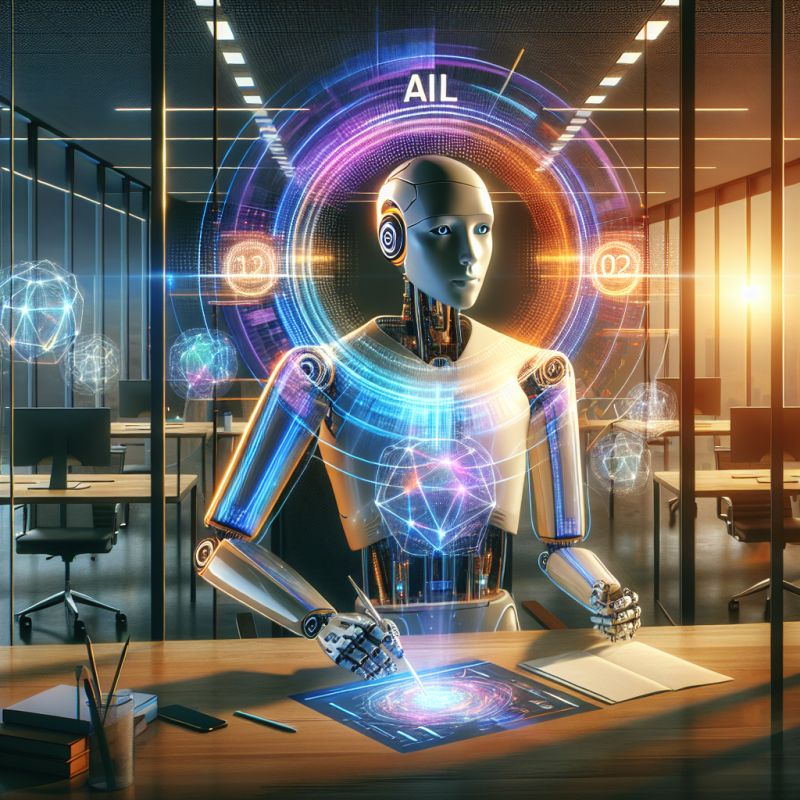
Nakatomi AI Innovation Raises $3.5M for Ethical Tech Revolution
In a major step forward for ethical technology, Nakatomi AI innovation has secured $3.5 million in funding to develop artificial intelligence systems designed around human values. The Australian-based company announced the investment this week, highlighting its commitment to creating empathic and responsible AI solutions.
The funding round was led by private investors and supported by innovation funds focused on technology with social impact. Nakatomi’s vision is clear: build technology that serves people, not the other way around.
A New Chapter in Human-Centered AI
The Nakatomi AI innovation initiative aims to reshape how AI interacts with society. Rather than focusing purely on automation and profit, the company’s approach emphasizes trust, transparency, and emotional intelligence.
CEO Patrick Spence explained,
“AI can be more than algorithms. It can understand context, emotion, and purpose — if we design it that way.”
Nakatomi’s team is working on AI models that analyze human intent while maintaining ethical boundaries. Their projects include assistive tools for healthcare, education, and mental wellness — all developed under strict ethical frameworks.
Why Human-Centered AI Matters
The rise of Nakatomi AI innovation comes at a time when many fear AI’s potential misuse. Privacy, bias, and job displacement dominate headlines. However, Nakatomi believes empathy-driven design can rebuild public trust.
By combining psychology, neuroscience, and machine learning, the company hopes to create AI systems that not only perform tasks but also understand the emotional and social context of users.
As global conversations about ethical AI grow, Nakatomi’s model offers a fresh, people-first alternative to data-hungry tech giants.
Building AI That Cares
A key part of Nakatomi AI innovation is its “Empathy Engine,” a proprietary system under development that helps AI models interpret tone, emotion, and intent in human communication.
This technology could revolutionize customer support, therapy chatbots, and educational assistants. Instead of cold, robotic responses, AI could become more natural, caring, and relatable.
Spence said the company’s ultimate goal is to “teach AI how to listen.” By introducing empathy at the core of machine interaction, Nakatomi wants to shift the AI industry’s focus from performance to understanding.
The Investment and Future Goals
The $3.5 million investment will fuel research and product expansion across Australia and Southeast Asia. The Nakatomi AI innovation team plans to open a new R&D lab in Sydney focused on ethical AI standards and cross-industry collaboration.
In addition, part of the funding will support partnerships with universities to explore how emotion and reasoning can coexist within AI systems. Nakatomi aims to publish open-source frameworks that encourage responsible development across the entire tech community.
Investors believe this direction gives Nakatomi a unique competitive edge. One backer described the company as “the heart in a world of machines.”
A Shift Toward Responsible Innovation
As discussions about regulation and ethics intensify, Nakatomi AI innovation stands out as a positive example of technology aligned with human good. While big tech races toward scale, smaller players like Nakatomi focus on depth — creating solutions that resonate with human experience.
This marks a broader shift in the AI landscape. The market now values trust and empathy as much as speed and efficiency. As one industry analyst noted,
“The future of AI belongs to those who understand people, not just data.”
Final Thoughts
The $3.5 million investment in Nakatomi AI innovation isn’t just a business milestone — it’s a cultural one. It represents the rise of a more thoughtful, responsible, and emotionally aware approach to artificial intelligence.
As the AI industry matures, companies like Nakatomi are proving that innovation and ethics can coexist. By prioritizing empathy and human connection, Nakatomi is helping shape a future where technology doesn’t replace humanity — it enhances it.
Post Comment