Sweden vs Kosovo: Shock Defeat Ends World Cup Dreams
A Devastating Night for Sweden
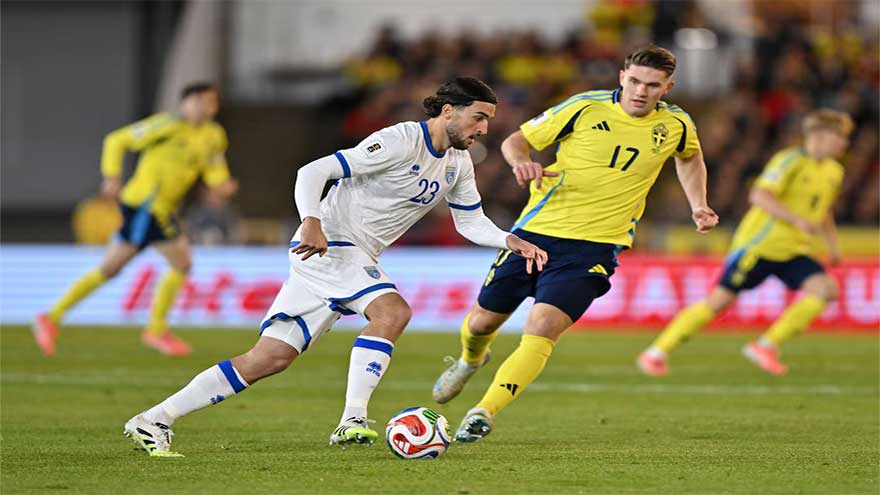
The Sweden vs Kosovo World Cup qualifier will go down as one of the darkest nights in Swedish football history. In front of a stunned home crowd in Solna, Sweden suffered a 1-0 defeat that effectively ended their hopes of qualifying for the 2026 FIFA World Cup. The loss — their third in four matches — leaves the team at the bottom of Group B, with just one point from a possible twelve.
Kosovo, ranked far below Sweden in FIFA standings, delivered a disciplined and fearless performance. Their defensive structure, coupled with moments of quick transition, frustrated the Swedish attack for 90 minutes. Despite dominating possession and attempts, Sweden failed to find a way past goalkeeper Arijanet Muric, whose heroics defined the match.
Kosovo’s Breakthrough Moment
The decisive moment came in the 58th minute when Kosovo capitalized on a defensive lapse. A quick counterattack down the right flank found striker Edon Zhegrova in space, who crossed low for Milot Rashica to tap home from close range. The visitors’ bench erupted — it was their first-ever competitive win over Sweden, and perhaps their most significant result in World Cup qualifying history.
From that point onward, Kosovo’s focus was total defense. Every player worked tirelessly to close spaces, intercept passes, and block shots. Sweden launched wave after wave of attacks — Alexander Isak missed a clear header, and Emil Forsberg hit the crossbar in stoppage time — but the equalizer never came.
Sweden’s Problems Run Deep
The Sweden vs Kosovo loss is more than just an upset; it’s a symptom of deeper structural issues. Sweden’s once-solid national setup now appears stagnant, struggling to produce the kind of creative, technical players needed at the top level.
Coach Janne Andersson admitted after the match that his team “lacked identity and confidence.” Critics argue that tactical rigidity and predictable buildup play are to blame. Despite boasting Premier League and Bundesliga talent, the team looks disconnected and uninspired.
Even more concerning is the lack of goals: Sweden have scored only two in four qualifiers — both from set pieces. The absence of clinical finishing, combined with defensive lapses, has cost them dearly.
Kosovo’s Rise and Resilience
For Kosovo, this result is a statement of progress. Since joining UEFA in 2016, they have slowly developed a cohesive style, combining defensive organization with fast, counterattacking play. Their performance in the Sweden vs Kosovo match symbolized the growing maturity of their national team.
Manager Primoz Gliha praised his players, saying, “We came here to fight, not to fear. Tonight, they proved they can compete with anyone.” With young stars like Rashica, Zhegrova, and Muriqi, Kosovo’s future in international football looks bright.
What Comes Next for Sweden
For Sweden, attention now turns to damage control and rebuilding. Qualification is mathematically possible but highly improbable. The Swedish FA may soon face tough decisions about coaching changes and youth development priorities. Calls for a generational refresh are growing louder, with fans demanding new energy and ideas.
As the World Cup dream fades, questions arise about leadership, motivation, and direction. If Sweden wants to return to the global stage, structural reform must come quickly — from grassroots investment to tactical modernization.
Final Thoughts
This Sweden vs Kosovo result is a wake-up call for one nation and a celebration for another. For Sweden, it represents the end of a frustrating campaign; for Kosovo, it’s the start of a new chapter in their football story.
Football can be cruel — but it also rewards bravery. And on this night, Kosovo were the braver, hungrier, and sharper side.
Post Comment