AI Zero-Day Attacks 2025: New Cybersecurity Threats
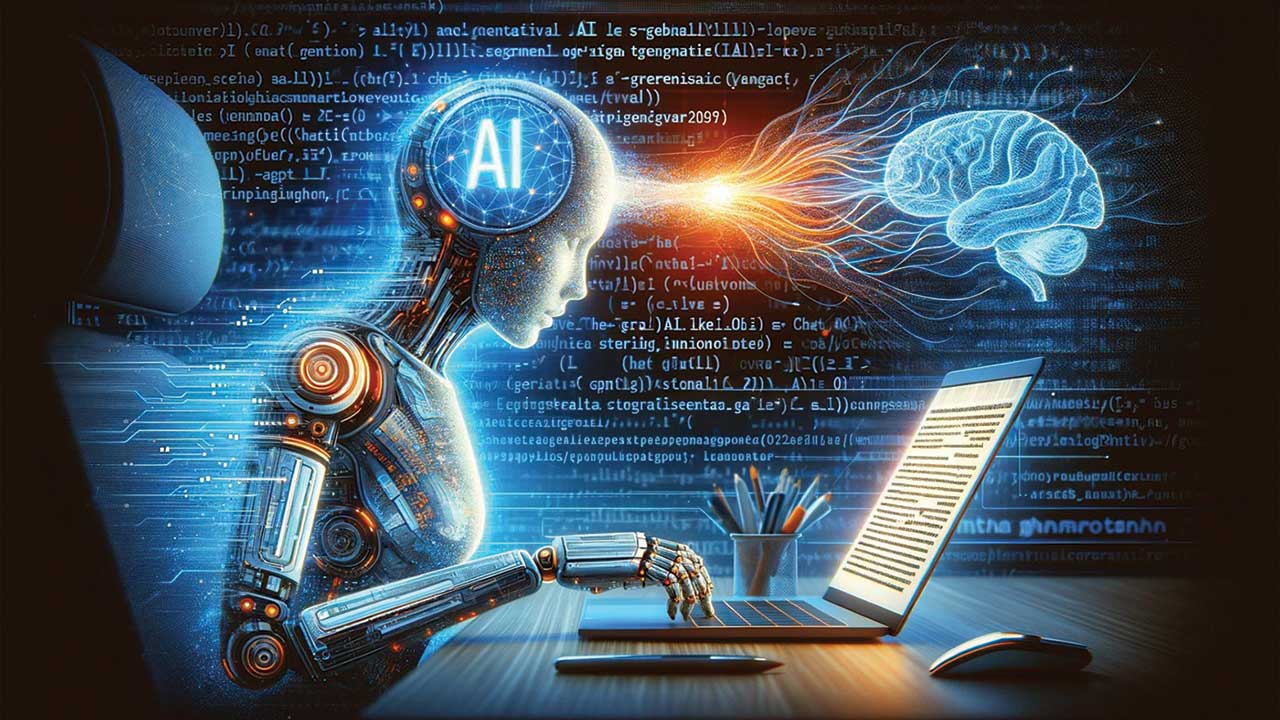
This AI zero-day attacks 2025 article explores one of the most pressing cybersecurity threats of our time. Zero-day attacks exploit software vulnerabilities that are unknown to developers. Moreover, with artificial intelligence, hackers can now discover and exploit these weaknesses faster than ever before. Therefore, businesses, governments, and individuals must adapt quickly to defend against this new wave of AI-driven cybercrime.
What Are Zero-Day Attacks?
Definition
A zero-day attack occurs when hackers exploit a vulnerability before the software vendor has issued a fix. In addition, these attacks are dangerous because traditional antivirus tools cannot detect them.
Why AI Changes the Game
With machine learning, attackers can scan millions of lines of code at unprecedented speed. As a result, AI zero-day attacks 2025 are expected to rise dramatically, leaving less time for companies to respond.
How AI Zero-Day Attacks Work
Automated Vulnerability Discovery
Hackers can train AI systems to identify flaws in code within hours. For example, what once took weeks for human analysts can now be done overnight.
Personalized Exploits
Moreover, AI can design custom phishing campaigns and malware to target specific companies or individuals, making attacks far more effective.
Stealth and Adaptability
Traditional cyber defenses often rely on pattern recognition. However, AI-driven malware can continuously rewrite itself, evading detection. Therefore, defending against these attacks requires AI-powered security tools.
Real-World Implications in 2025
Business Risks
Corporations face data theft, financial losses, and reputational damage. In addition, industries like banking, healthcare, and energy are particularly vulnerable.
National Security
Governments fear that AI-driven zero-day attacks could disrupt power grids, transportation, or even military communications. As a result, cybersecurity has become a top national defense priority.
Individual Impact
Ordinary users are also at risk. For example, AI phishing emails can mimic writing styles and create messages so convincing that even cautious people may be tricked.
How to Defend Against AI Zero-Day Attacks
AI-Powered Security Tools
To fight AI, defenders must also use AI. Moreover, new cybersecurity platforms can detect unusual behavior rather than relying solely on known virus signatures.
Continuous Patching and Updates
While zero-day exploits target unknown flaws, rapid software updates remain critical. Therefore, companies must invest in agile patching systems.
Employee Training
Human error remains the weakest link. In addition, training employees to recognize suspicious activity reduces the effectiveness of AI-driven phishing.
Global Cooperation
Cyber threats cross borders. As a result, international cooperation between governments, companies, and researchers is essential to build stronger defenses.
The Ethical Dilemma of AI in Cybersecurity
Double-Edged Sword
AI can protect systems but also enable attackers. For example, the same algorithms used for anomaly detection can be reversed to design smarter exploits.
Regulation and Oversight
Moreover, policymakers are debating how to regulate AI cybersecurity tools without slowing down innovation. Striking the right balance will shape the future of digital safety.
The Future of Cybersecurity in 2025 and Beyond
Increased Investment
Spending on AI-driven cybersecurity is expected to grow rapidly. Therefore, startups and established firms alike are racing to develop advanced defense tools.
Rise of Cyber Insurance
In addition, companies are turning to cyber insurance to mitigate financial losses from inevitable breaches.
Human + AI Collaboration
The most effective defense will combine human intuition with AI analysis. As a result, cybersecurity jobs will evolve rather than disappear.
Conclusion
The AI zero-day attacks 2025 threat highlights both the power and the danger of artificial intelligence. With AI capable of discovering vulnerabilities faster than ever, traditional defenses are no longer enough. Moreover, new strategies, AI-powered tools, and global cooperation are essential to staying ahead. Therefore, the future of cybersecurity will depend on how effectively we use AI to protect against the very risks it creates.
Post Comment